
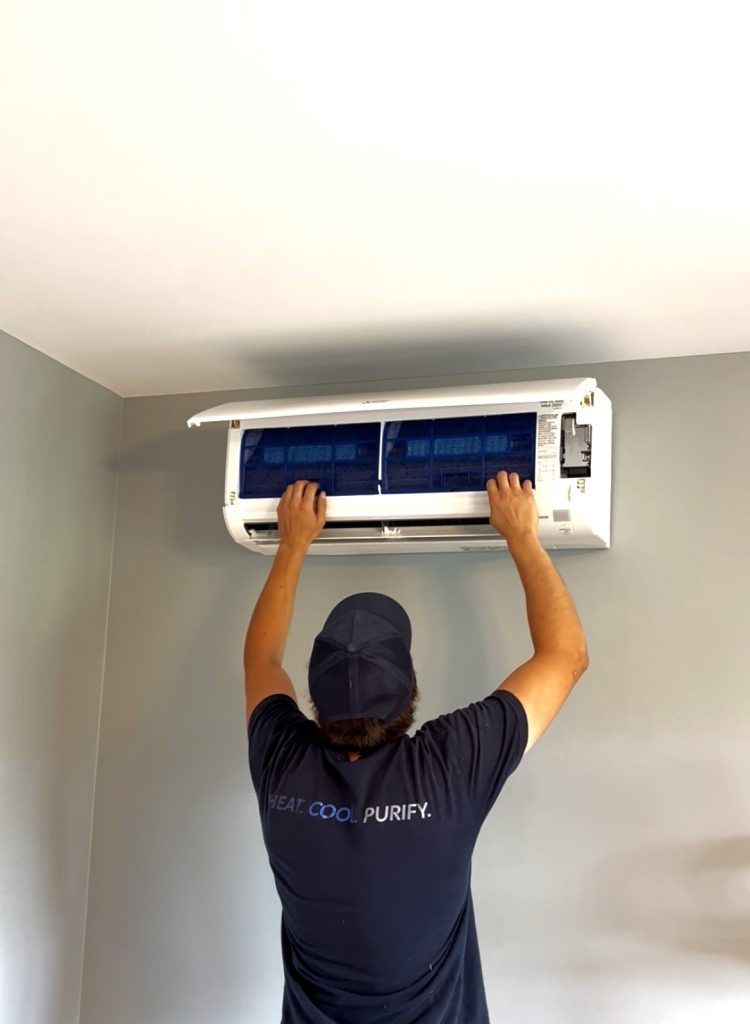
Why Heat Pumps Matter Now
Heat pumps have become one of the most important home comfort upgrades for homeowners across Nova Scotia and New Brunswick. Rising energy costs, increased focus on efficiency, and the push away from oil and electric resistance heating have all contributed to their growing popularity. Unlike traditional systems that create heat, heat pumps move heat, making them significantly more efficient in real-world use.
At Wilsons Mechanical, heat pumps are not a new trend. They are a core part of how the company has been designing reliable, long-term comfort solutions for Atlantic Canadian homes for decades. The focus has always been on choosing the right system for the home, installing it correctly, and ensuring it performs well for years to come.
What Is a Heat Pump and How Does It Work?
A heat pump is a system that transfers heat from one space to another using refrigerant. Instead of burning oil or gas or relying on electric resistance, it captures existing heat energy and moves it where it is needed.
Kevin H., a certified Wilsons HVAC technician, explains:
“A heat pump is basically a piece of equipment that transfers heat from one space to another using refrigerant. That’s really the simplest way to explain it.”
In heating mode, a heat pump pulls heat from the outdoor air and moves it indoors. Even in winter, there is usable heat energy in the air. In cooling mode, the system reverses, removing heat from inside the home and releasing it outdoors.
This ability to move heat instead of generating it is what makes heat pumps so efficient compared to oil furnaces, electric baseboards, and other traditional systems.
Understanding Heat Pump Efficiency Ratings
Homeowners comparing heat pumps often encounter technical ratings that can be confusing at first glance. The most important ones include:
SEER (Seasonal Energy Efficiency Ratio)
SEER measures how efficiently a heat pump operates in cooling mode.
HSPF (Heating Seasonal Performance Factor)
HSPF measures heating efficiency over an entire season. This is one of the most important ratings for Nova Scotia and New Brunswick homeowners, as it reflects real-world winter performance.
COP (Coefficient of Performance)
COP measures how much heat the system produces for every unit of electricity it uses at a specific temperature. A COP of 3 means the system delivers three units of heat for every unit of electricity consumed.
Kevin from Wilsons puts it this way:
“For every kilowatt of electricity a heat pump uses, some of them are producing three, four, or even more kilowatts of heat. That’s why we say they can be over 300 or 400 percent efficient.”
BTUs (British Thermal Units)
BTUs measure heating and cooling capacity. While homeowners will hear this term often, proper BTU sizing should always be handled by a qualified professional.
Do Heat Pumps Work in Nova Scotia and New Brunswick Winters?
One of the most common questions Wilsons Mechanical hears is whether heat pumps can actually handle Atlantic Canada’s winters. The answer is yes, as long as the system is designed for cold climates and installed correctly.
Cold-climate heat pumps are built with advanced compressors and defrost controls that allow them to continue operating efficiently in low temperatures.
“If you’re living in colder parts of Atlantic Canada, you want to make sure you have a cold-climate heat pump that’s made to handle the defrost cycles and the weather that’s going to get thrown at it.”
These systems are not only effective during extreme cold but are often the most efficient option throughout the entire heating season.
Ducted vs Ductless Heat Pumps
Choosing between a ducted and ductless heat pump depends on your home’s layout, existing infrastructure, and comfort goals.
Ducted Heat Pumps
Ducted systems work well in homes with existing ductwork and can often replace a traditional central heating system. They provide even heating and cooling throughout the house.
Ductless Mini-Split Heat Pumps
Ductless systems are ideal for homes without ductwork, older houses, additions, and areas that need targeted comfort. They allow for zoned temperature control and flexible installation options.
Wilsons Mechanical evaluates each home individually to determine which option delivers the best balance of comfort, efficiency, and cost.
Can a Heat Pump Replace a Furnace?
In many cases, a heat pump can replace a traditional furnace, particularly in homes with good insulation and properly sized ductwork.
However, this is not always the best solution for every home. Older houses with small duct systems or significant heat loss may require supplemental heating or upgrades.
“Sometimes the ductwork in older homes just isn’t big enough for the right size heat pump. In those cases, it doesn’t make sense to force a system that’s going to struggle.”
The goal is always long-term comfort and reliability, not just replacing equipment.
Why a Professional Home Assessment Is Essential
A professional home assessment is the foundation of a successful heat pump installation. This process includes reviewing the home’s layout, insulation, windows, existing heating system, and electrical capacity.
“The first step should always be to have a qualified professional come out and assess the space. There are a lot of options, and that assessment tells us what actually makes sense for the home.”
Accurate heat loss, or manual J calculation, ensures the system is properly sized, which is one of the most critical factors in performance, efficiency, and homeowner satisfaction.
How Much Can You Save With a Heat Pump?
Heat pumps can significantly reduce energy costs compared to electric baseboards, oil heating, and older electric systems.
Because heat pumps provide a real payback over time, they are one of the few home upgrades that can actually put money back in a homeowner’s pocket.
Heat Pump Maintenance and Longevity
Like any HVAC system, heat pumps require regular maintenance to perform efficiently and last as long as possible. Annual inspections help identify issues early and keep components operating properly.
Ductless systems may also require periodic deep cleaning to maintain indoor air quality. With proper care, heat pumps can last well beyond a decade
Why Installation Quality Matters
Installation quality plays a major role in both performance and lifespan. Poor installation can lead to leaks, reduced efficiency, and premature equipment failure.
“One of the biggest determining factors in how long a heat pump lasts is the installation. If it’s pressure tested, vacuumed properly, and commissioned correctly, it makes a huge difference.”
This attention to detail is why installation timelines are never rushed.
Choosing the Right Heat Pump Installer
When choosing a heat pump installer, homeowners should look beyond price alone. Experience, reputation, and long-term service support all matter.
“The most important thing isn’t just the brand of heat pump. It’s the company installing it. You want someone who will still be around in ten years if you need service or warranty support.”
A trusted installer ensures the system delivers comfort and efficiency for years to come.
Heat pumps offer an efficient, reliable, and cost-effective way to heat and cool homes across Atlantic Canada. When properly designed and installed, they provide long-term comfort and meaningful energy savings.
For homeowners considering a heat pump, the most important step is working with an experienced professional who understands local conditions and takes the time to design the right solution. Wilsons Mechanical continues to help homeowners make informed decisions that lead to lasting comfort and peace of mind.
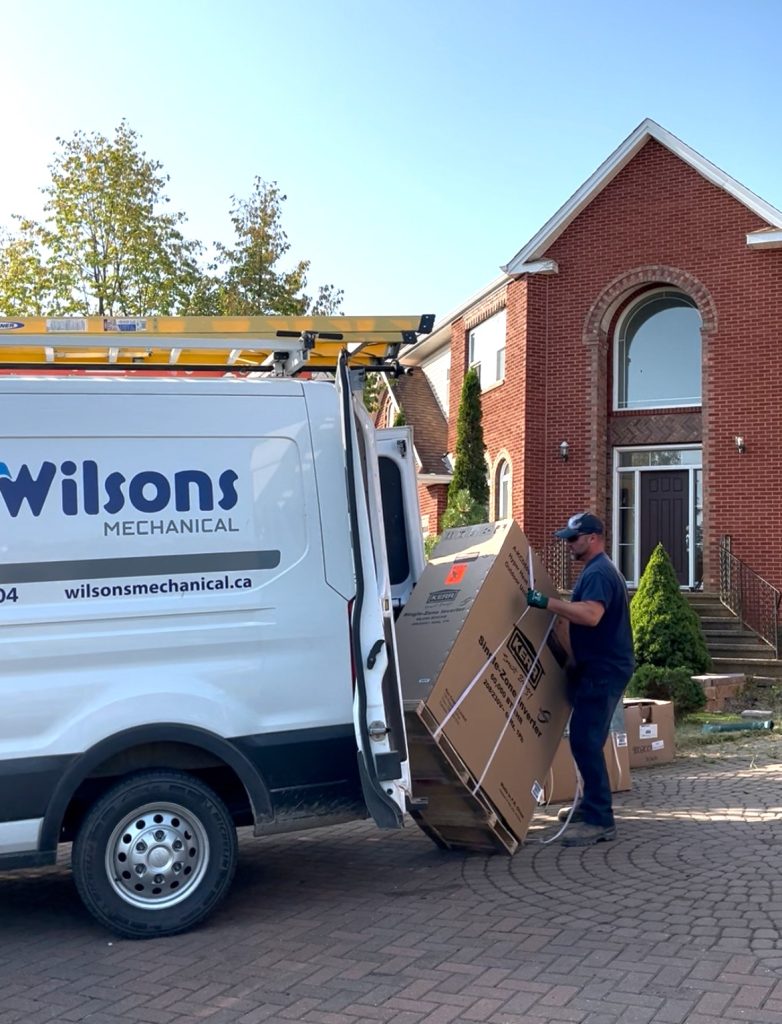
Frequently Asked Questions About Heat Pumps
Yes. Cold-climate heat pumps are designed to operate efficiently in low temperatures and continue providing heat throughout most Atlantic Canadian winters.
No. Homes without ductwork can use ductless mini-split systems, which are specifically designed for flexible installation.
Most installations take one to two days, depending on the system size and number of indoor units.
Yes, heat pumps require regular maintenance. Annual service helps maintain efficiency and extend the system’s lifespan.
Most modern heat pumps include Wi-Fi connectivity, allowing homeowners to control temperature and monitor performance from their phone.